
Wayfarer TV: Positivity returns to New Zealand hotels as investor confidence rebounds

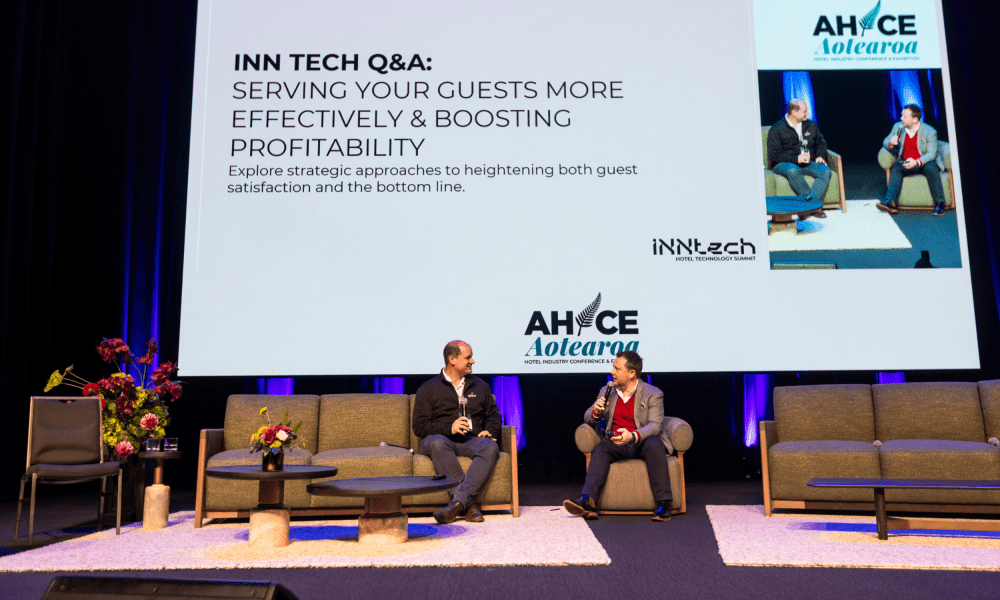
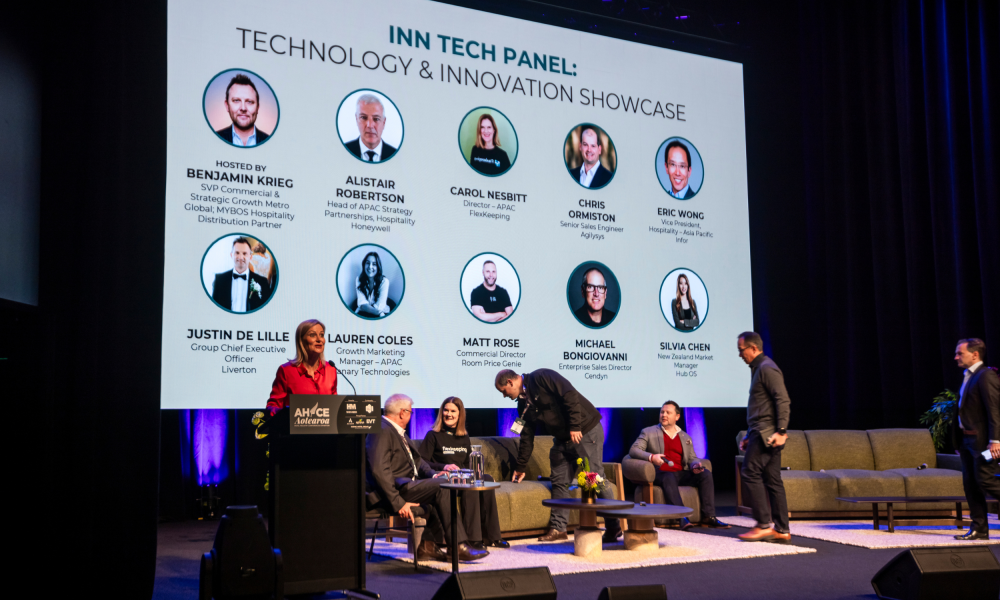
The second day’s sessions kicked off with an enlightening INN Tech session, before the discussion turned toward franchising, development, Food and Beverage trends and leaders’ expectations for the forthcoming year.
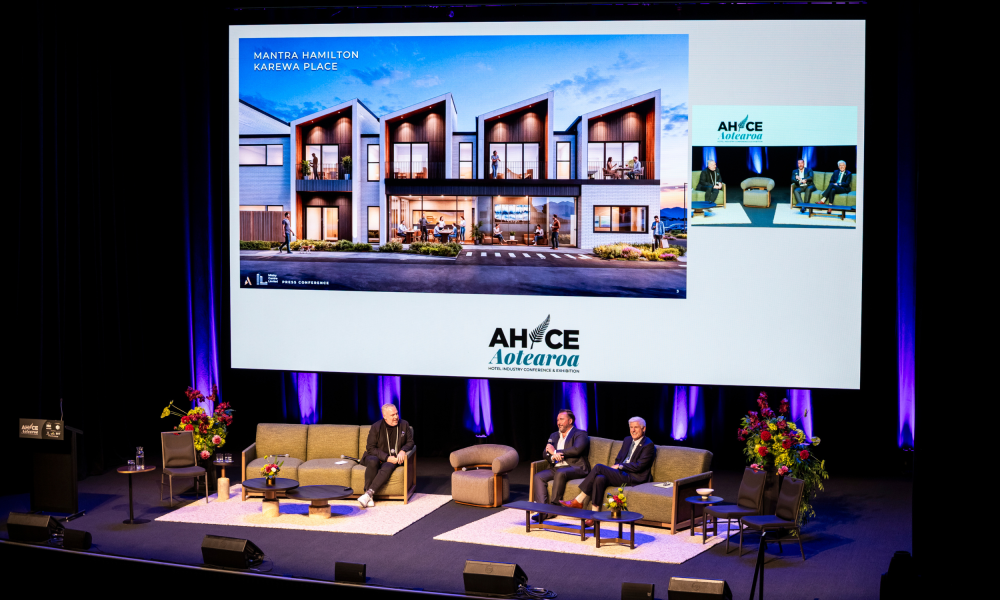
The first discussion focused on Hamilton’s emergence as one of New Zealand’s fastest-growing cities, with a major boost from the announcement of two new Mantra Hotels, joining the upcoming Pullman Hamilton in a wave of accommodation investment aimed at supporting the city’s rapid expansion. The new hotels are expected to boost tourism and business, supported by improved air access through Jetstar’s Brisbane and Sydney services.
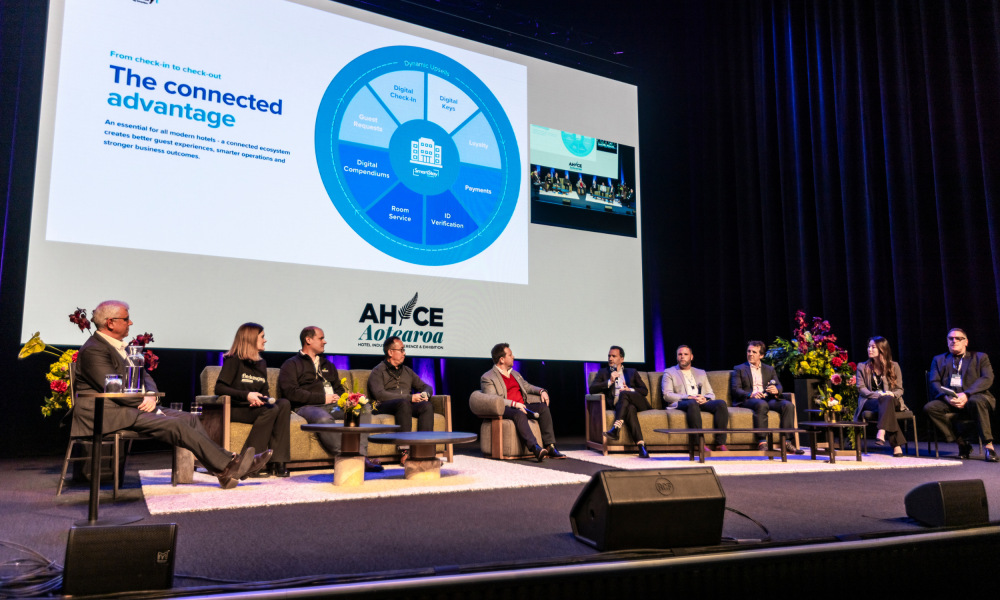
Taking to the stage to discuss the new projects was Pienaar Piso, founder of Vision Complete Earthworks, who is also co-founder of Mistry Centre Ltd., the development company behind the properties. Joining him were Hamilton Mayor Tim Macindoe and AHICE President James Wilkinson, who led the conversation.
Mayor Tim Macindoe said the developments were critical for a city that is “currently the fourth largest and the fastest growing city in the country” and is “on track to becoming the third largest city, overtaking Wellington within about 12 years”.
While Hamilton continues to attract investment, events and new industries, he noted that “one of the things that’s been holding us back is a shortage of top quality accommodation”.
Piso made clear his commitment to the city, adding that hotel developments were driven by a clear market need.
“We got everything we need; all we need is a hotel. And it was just a natural transition as being an entrepreneur, there’s a need and fulfills the need, and we’re just fulfilling a need.”
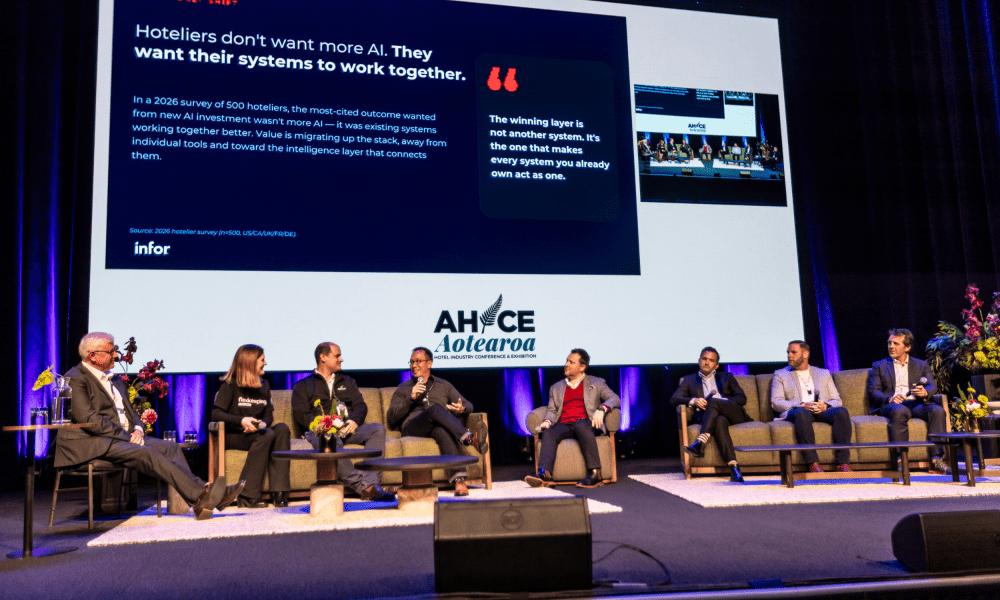
Beyond accommodation, Piso hopes the projects will help elevate the city’s dining scene through “an elevated experience in this hotel”, encouraging other operators to lift their offerings.
Macindoe praised the developments, saying the Pullman would have “a huge impact on helping us to revitalise our CBD”, while reinforcing the council’s pro-development stance.
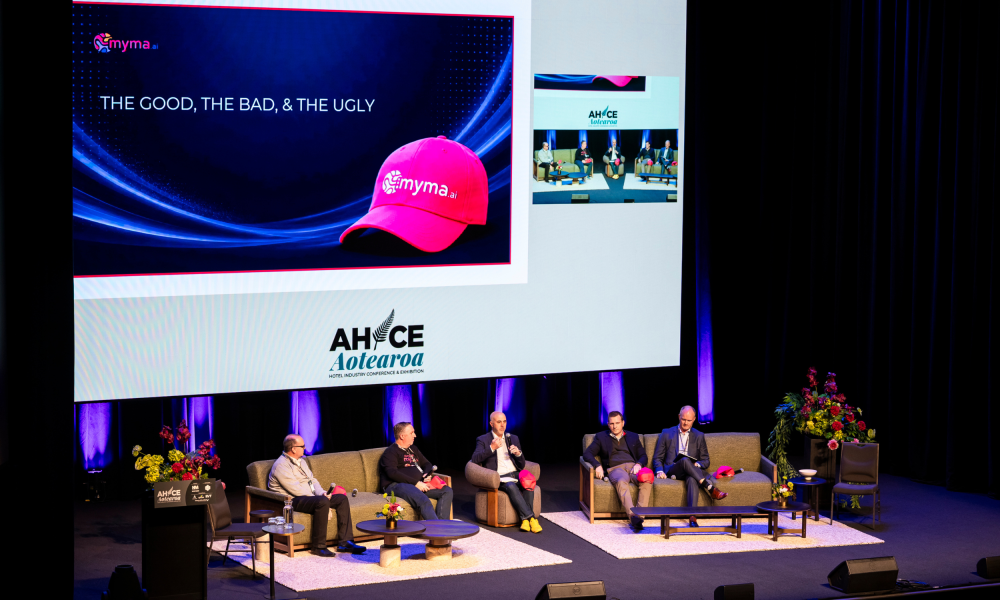
“We are open for business, and we need you guys. So I want to make sure that we facilitate as smooth a transition from start to finish as we can. We all win when you do that.”
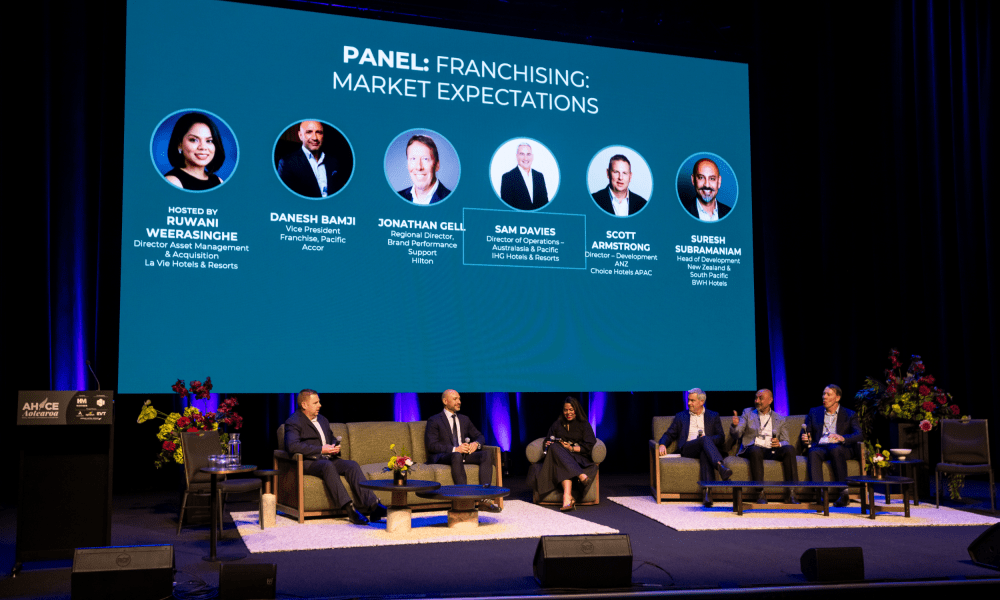
Their discussion was followed by a high-energy panel on franchising and market expectations, hosted by Ruwani Weerasinghe, Director Asset Management And Acquisition, La Vie Hotel and featured panelists: Danesh Bamji, Vice President Franchise, Pacific, Accor, Jonathan Gell, Regional Director, Brand Performance Support, Hilton, Sam Davies, Director Of Operations – Australasia and Pacific, IHG Hotels and Resorts, Scott Armstrong, Director – Development ANZ, Choice Hotels APAC and Suresh Subramaniam, Head Of Development, New Zealand And South Pacific, BWH Hotels.
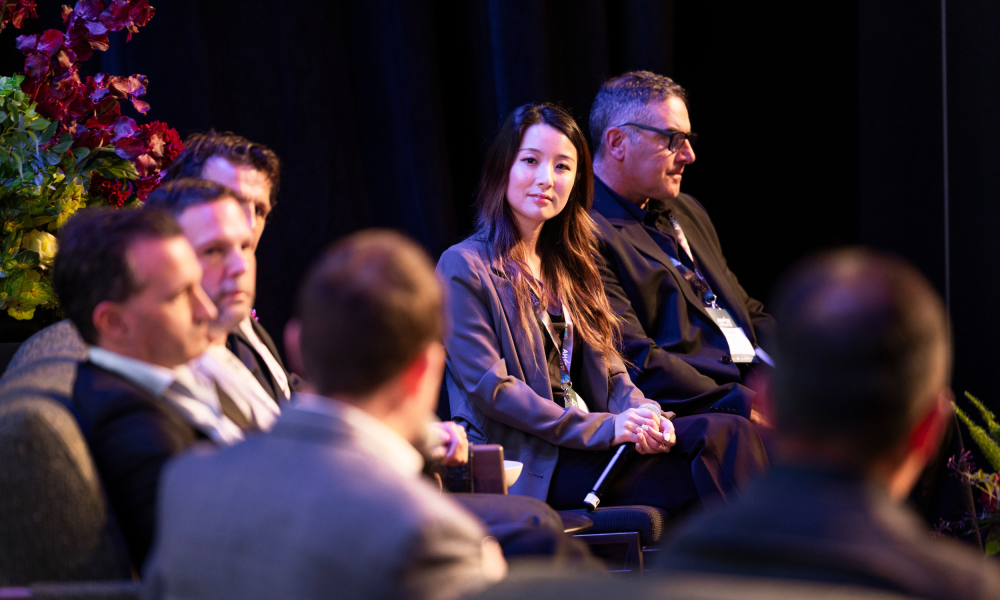
The discussion highlighted opportunities in the mid-scale independent market, regional New Zealand, and the South Pacific.
Bamji noted that Accor has been offering franchising opportunities in the region since 2003, adding “our franchisees in this market are pretty much on par, if not ahead of the curve of what’s happening in the evolution of franchising globally.”
“We’re all doubling down on franchising in New Zealand.”
However, he also emphasised the importance of partnership over compliance in franchising, noting a shift towards performance-based agreements.
“Conversations we are having and the opportunities for potential new franchisees are quite clear. There’s one thing missing, and that’s predominantly the focus on the true value of the partnership of a franchise agreement,” Bamji stated.
Choice’s Armstrong also stressed the need for brand flexibility due to high capital costs, particularly in New Zealand’s independent market, while Hilton’s Gell underscored the value of revenue premiums, loyalty programs, and seamless guest experiences.
The panel agreed on the significance of honesty, two-way communication, and accountability in franchise relationships and touched on the impact of soft brands and the importance of creating demand through effective marketing and destination exposure.
Next to the stage was Rajit Sukumaran, Senior Vice President and Managing Director, EAPAC, at IHG Hotels and Resorts, in conversation with AHICE President, James Wilkinson.
The fireside conversation was held moments after IHG released its half-year results of a 4.1% global RevPAR increase and 200 hotel openings, of which 43% were driven by conversions.
“Almost 50% of our signings are conversions. That’s not a trend which is going away. I think you know, and that’s because we’ve got very strong market fundamentals which are driving interest,” Sukumaran said.
He added that IHG’s growth was driven by strong market fundamentals and population growth in Asia-Pacific. He highlighted notable developments, including the addition of the Ruby and Noted Collection brands. Sukumaran confirmed international investment, particularly in New Zealand, is booming, with significant transactions involving domestic and cross-border capital.
“We do think there’s a lot more growth that we can get out of New Zealand, so we are bullish about the fact that there is a long runway for growth in New Zealand for us. So definitely a market to look at,” he said.
Moving on to the next panel, discussion revolved around regional development opportunities in New Zealand, focusing on hotel projects and business events potential.
Hosted by Alistair Law, Partner, Anthony Harper, panelists included: Danilo Curcuruto, Director, Development, Australasia, Radisson Hotel Group, Lisa Hopkins, Chief Executive Officer, Business Events Industry Aotearoa, Matt Holmes, Vice President Of Development, South East Asia and Pacific Rim, Wyndham Hotels and Resorts, Asia Pacific, Peter Doherty, Development Director, Choice Hotels APAC and Peter Hill, Director Of Development, EVT.
Key projects highlighted in the discussion included Radisson’s 270-key Radisson Red in Queenstown, and EVT’s QT conversion in Queenstown and a new-build, and newly announced, Rydges Tauranga hotel in the North Island.
“It’s underpinned the challenges of doing regional hotels, the challenges of getting the design right, the cost efficiencies right, understanding the local market to align with the facility that we build,” Hill said.
The discussion moved to Choice Hotels’ Doherty, who said the group was seeing demand in Tauranga, Napier, and Hastings, while Wyndham’s Holmes said they were focusing on conversions in Palmerston North and Rotorua.
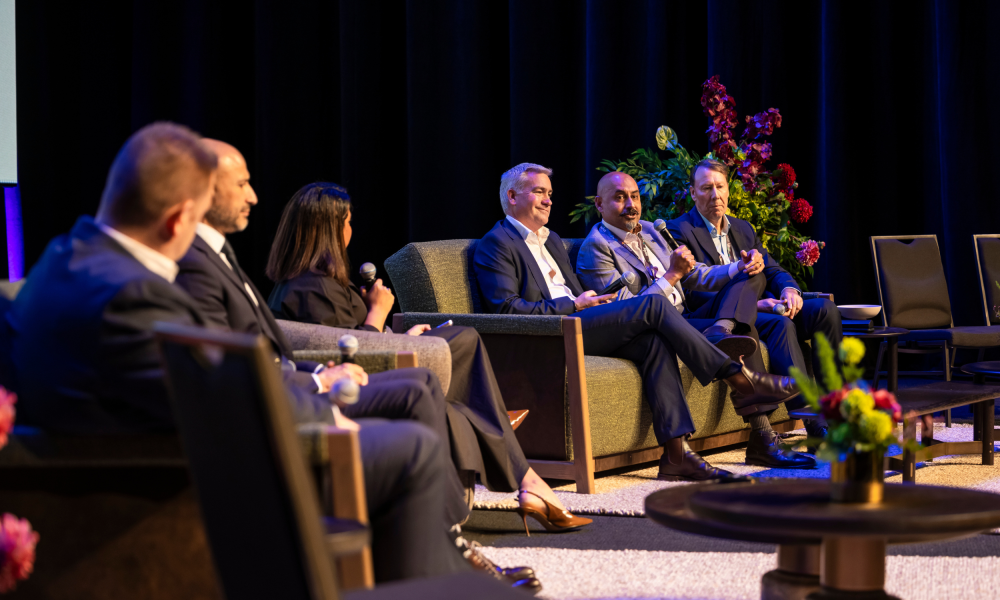
Hopkins of Business Events Industry Aotearoa highlighted the untapped potential of regional events, noting a NZ$202,200 economic impact per attendee. The panel consensus identified Taupo, Rotorua, Hamilton, Central Otago and Northland as key regions to watch.
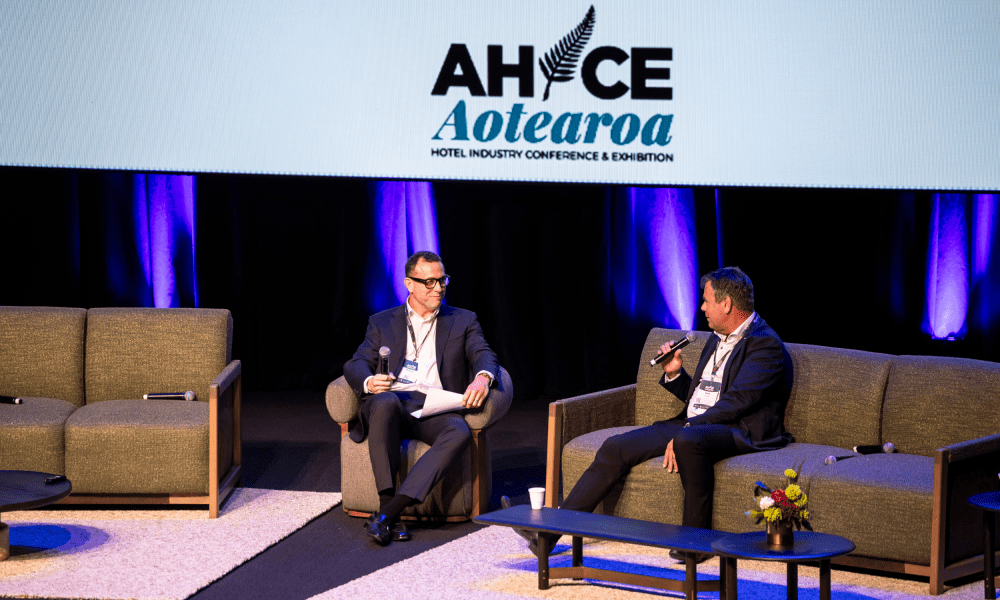
Two industry heavyweights unpacking “The Deal,” on the listing of the New Zealand Hotel Holdings properties and how the process went down were Michael Simpson, Managing Director Capital Markets, Hotels, CBRE and Brett Russell, Director Russell Group. Russell shared his journey from construction to hotels, highlighting partnerships with key industry executives. The portfolio includes brands Adina, The Sheraton Four Points, QT, and Sofitel Queenstown. Russell emphasised the emotional aspect of selling hotels and the ongoing interest from offshore investors, noting recent significant transactions, as well as the future Sheraton Christchurch development.
“I think there is definitely interest in New Zealand, and it’s been talked about a lot – us being a discounted market and a promising market that hasn’t bounced back. So yeah, there’s definitely an appetite there,” he said.
“I think that, you know, waiting for the Auckland market. It’s starting to come back. There’s some promise there, and they’re good assets, so there’ll only be time for that. But there’s no rush in doing any of it. So when that market comes right, and the right people are there, we’ll probably exit it.”
Russell stressed the importance of partnering right and delivering well to manage joint ventures effectively.
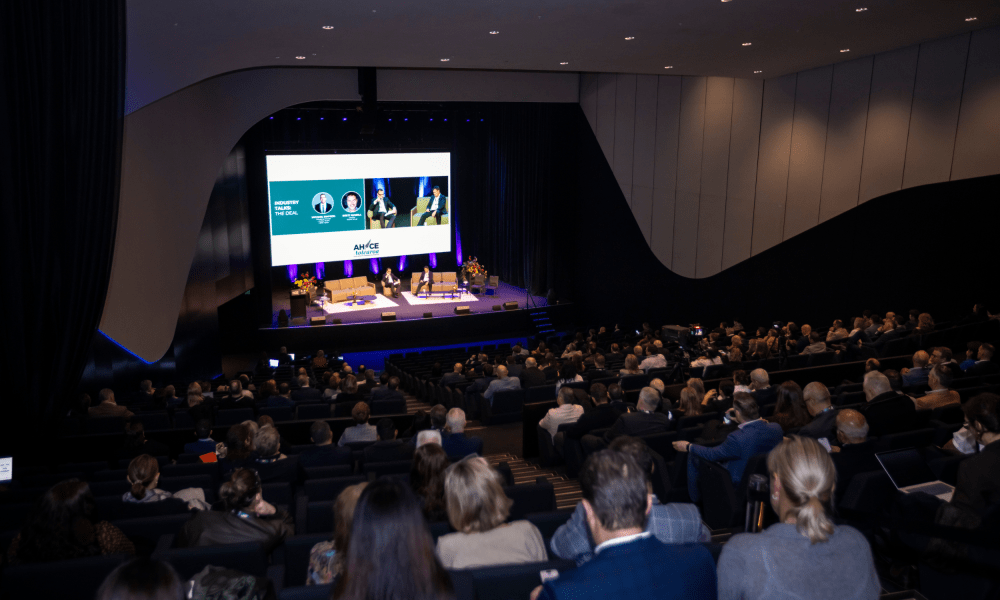
The discussions moved to F&B in the next panel, which discussed trends and the impact of technology on the sector.
The panel, hosted by Alison Hulm, Director, Jack Hospitality Consulting, included speakers Michael Stamboulidis, General Manager, Qt Auckland, Mina Li, Regional Vice President & Country Manager, Hyatt, Robert Davies, Global Key Account Segment Leader Hotel, Unox, and Zac Lumsden, Portfolio General Manager, CP Hotels New Zealand, Accor.
One such trend highlighted was on kitchen design, which now offers smaller, more efficient spaces. Davies noted the trend of multi-functional equipment and open kitchens enhancing guest experiences.
“Where we can have more rooms within a hotel environment, we can create more memories. So even now, with some kitchens where we have open kitchens, we’re creating an experience for the guests,” he said.
Stamboulidis discussed the importance of early concept development and efficient use of space, and Hyatt’s Mina Li and Lumsden stressed the significance of selective partnerships and local relevance in maintaining brand standards.
The panel also explored the shift towards minimised menus and experience-led dining, driven by demographic changes and social media influence.
“A smaller kitchen doesn’t mean less ambition. It’s about more disciplined concepts, more operational continuity, and less menu ego. How we make simple menus to relate to the local relevance,” Li stressed.
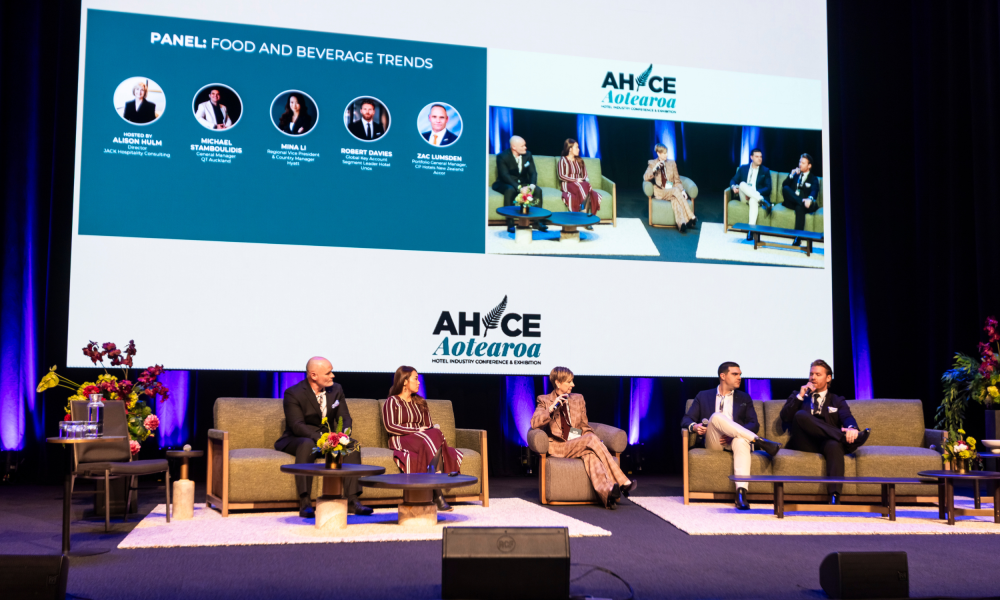
The conversation concluded with the importance of talented people in creating lasting guest experiences.
Moving on to numbers, the Human Resources panel included host Ruwan Peiris, Chief Executive Officer, Hotel Advisors Global and panelists Craig Binney, Head Of People & Culture, Scenic Hotel Group, Giovanna Green, Industry Placement Manager, Pihms, Sally Carr, P&C Manager, Wairakei Resort Taupo, Sue Duncan, General Manager Hospitality, Working In and Todd Wackrow, Country Manager – New Zealand, Sidekicker.
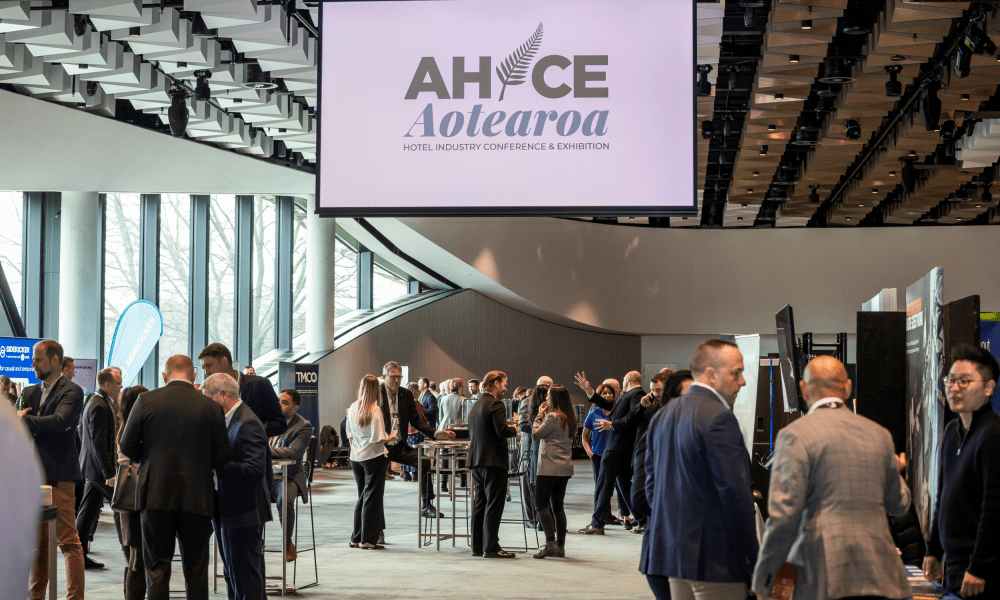
“We’ve heard about new brands coming into the market, but guess what? They’ve all got to be run by people, right?” Peiris set the scene for the forthcoming discussion.
They discussed challenges in the New Zealand hospitality industry, highlighting a 32% drop in education and training since 2015 and a 30% turnover rate among workers under 30. Key issues include attracting and retaining talent, as well as the importance of fostering local talent. They also noted the need for dynamic workforce management and competitive pay rates to combat the talent drain to Australia.
“By 2028, over 1,200 people per week (in New Zealand) will be turning 65. So a lot of us are going. Look, we’re not all in hospitality. We’re not all retiring, but that’s the trend. Not only that, but we’re not replacing ourselves,” Duncan said.
Community engagement, apprenticeships, and maintaining a positive work environment were suggested as strategies to improve retention and attract new talent.
The next panel then took a turn shining the spotlight on investors and what the outlook is in the coming years. Hosted by Peter Hamilton, Director of Hotels, CBRE, speakers included Dean Bagley, Senior Director of Regional Development, Australasia, BWH Hotels; Michael Patterson, Owner, Commodore Airport Hotel; Nicholas Lockyer, Executive Director – Development, Pacific, Accor; Rodger L. Powell, Managing Director, Hotel Advisors Global; and Sudesh Jhunjunwala, Founder, Hind Management / Sudima Hotels.
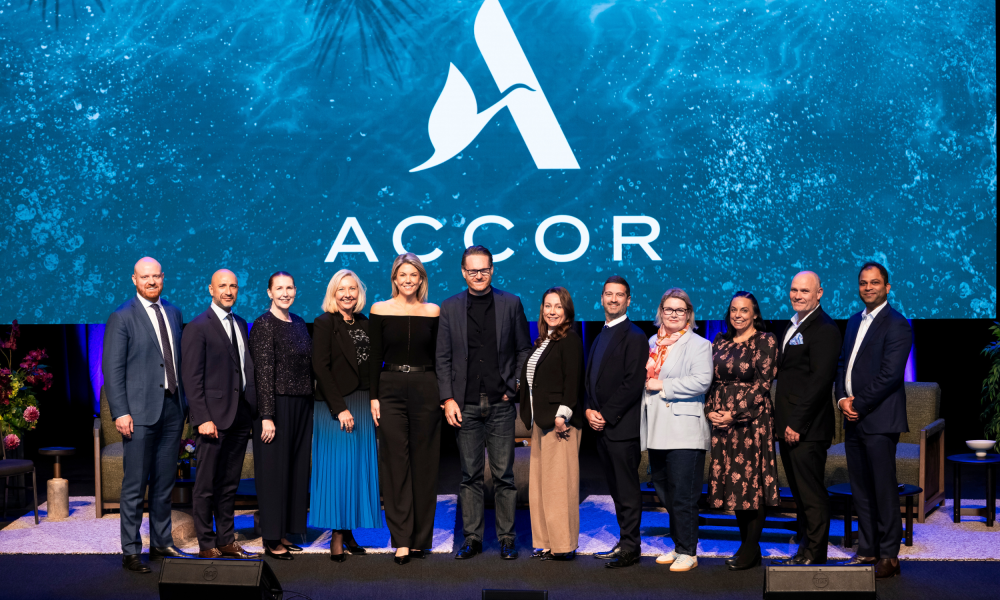
Panelists agreed the New Zealand hotel sector is experiencing a strong recovery, with international visitor numbers rebounding and transaction volumes increasing. However, occupancy remains below 2019 levels, particularly in Auckland and Wellington.
“For us living in Australia, New Zealand’s disappeared from the promotional map. We don’t see anything any longer selling New Zealand. So unless the government takes control of really marketing New Zealand strongly to drive demand and drive occupancy, that’s probably not going to change; international arrivals are back to 94% for 2019. So the demand story is real, but it’s not evenly spread,” Powell said.
Trends show investors are focusing on adaptive reuse and selective capital deployment, and at the conference city, panelists discussed how the Christchurch market is recovering, driven by local demand and investments in food and beverage.
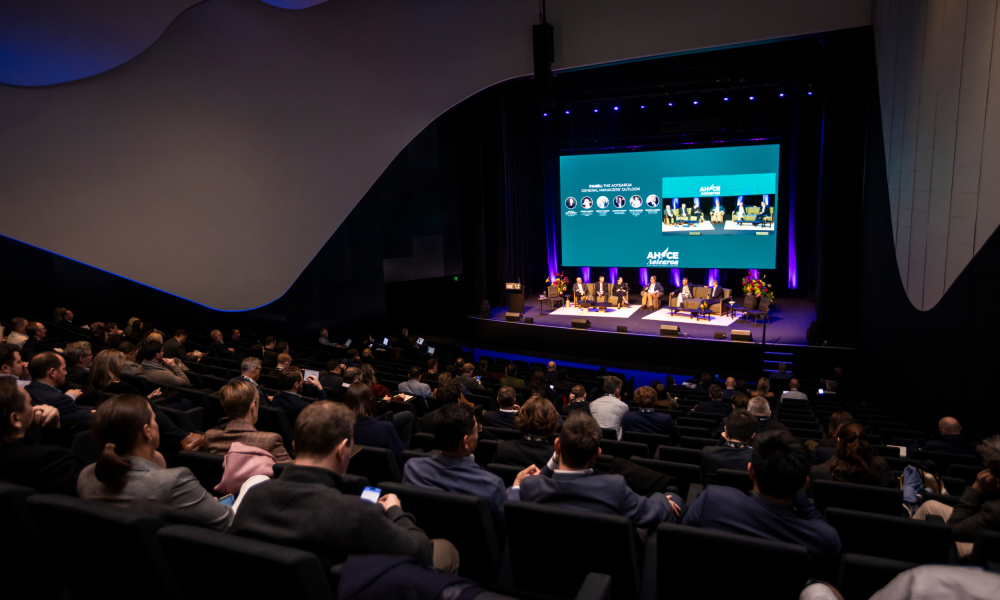
Panelists also agreed that independent hotels face challenges but maintain competitive advantages, while the luxury boutique segment is undersupplied, and extended stay models are gaining traction. Investors are advised to take a long-term view, focus on local relevance, and consider sustainable investments.
Moving On From Investors To General Managers, the next panel was hosted by Wim Ruepert, Director, New Zealand, Horwath HTL, And Included panelists: Annika Worth, General Manager, Novotel Queenstown Lakeside, Bruce Garrett, General Manager, The George Christchurch, Clinton Farley, General Manager, The Hotel Britomart, Colin McClean, Area General Manager – North Island, New Zealand, EVT and Michael Sarino, General Manager, Hilton Auckland.
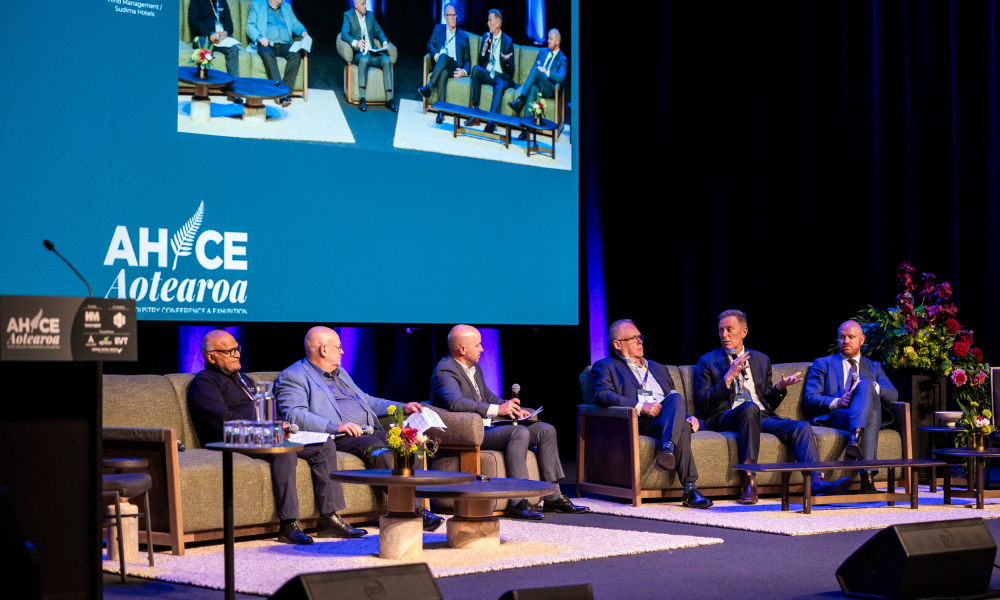
The panel discussed the strong market performance in New Zealand, with 40% revenue growth in the first seven months. Auckland saw 16% growth, Christchurch 14%, and Queenstown 90%, with Wellington’s recovery slower, up 9% year-on-year.
Panelists also highlighted the “Hollywood effect” with several key international movie projects and a Netflix series taking place in Queenstown, supporting local properties and tourism to the region. Sustainability was also highlighted as a key guest preference, and from a leadership stance, they agreed that AI is seen as complementing, not replacing, human hospitality.
The ever-engaging development outlook panel took to the stage next to offer words of wisdom on what to expect in 2026 and beyond.
|
Adam Bury, Executive Vice President, Investment Sales & Head Of Debt Advisory Australasia, JLL was joined by Cameron Burke, Director of Development – Australasia and Pacific, IHG Hotels and Resorts, Richard Crawford, Vice President – Hotel Development, Australia, NZ, And Pacific, Marriott International, Tushar Raniga, Regional Director, Development – Australasia, Hilton, John Sutcliffe, Director Of Development, TFE Hotels and Lindsay Leeser, Chief Development Officer Pacific and Head Of Apartments and Realty, Accor.
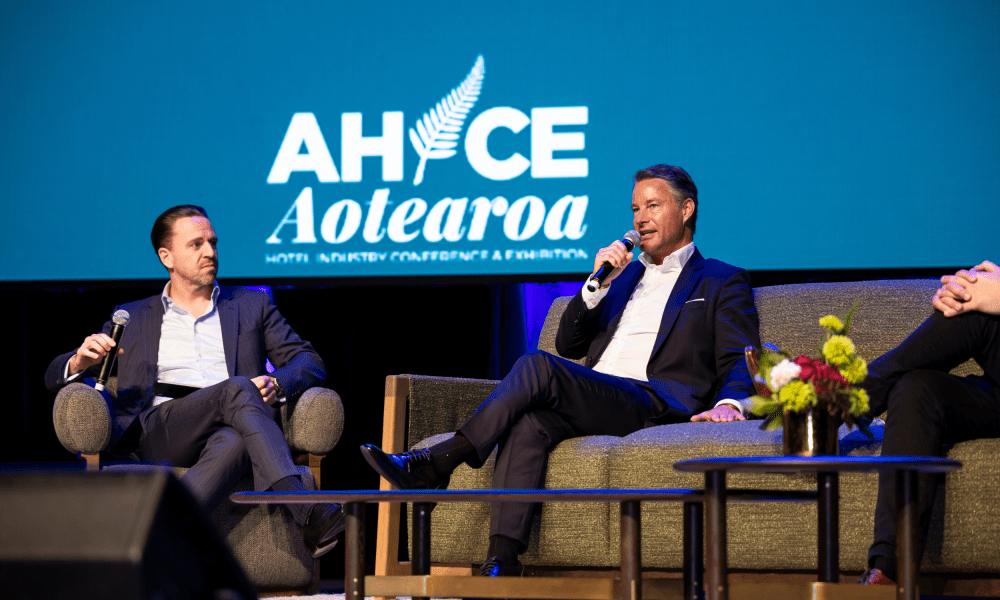
The panel discussed the future of New Zealand’s hotel industry, highlighting new brands, projects, and investments.
“Development is booming, absolutely booming. Don’t believe the construction costs rubbish. It is not for the faint-hearted, but there are some great opportunities out there if you bring together the right group of people, the right opportunities in the right markets to take advantage of what will be the next decade of growth for New Zealand. I think we are in for a great time ahead,” Leeser said.
Adding to the discussion, Marriott’s Crawford noted upcoming projects like the Sheraton Christchurch and St. Regis Queenstown, and the importance of flexibility in brand standards.
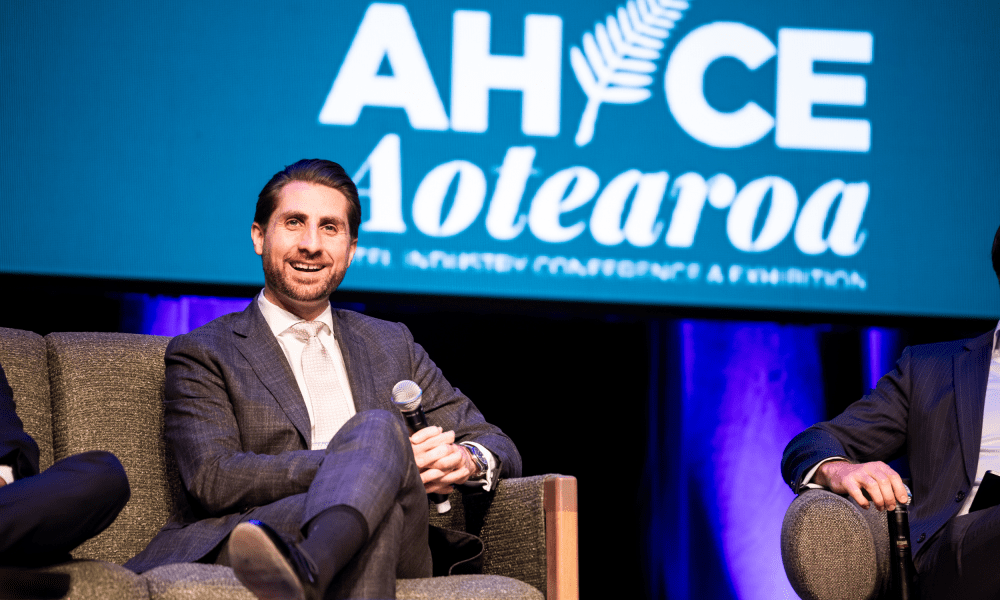
Sutcliffe from TFE Hotels discussed ongoing refurbishments and new builds while Raniga from Hilton stressed the role of branding companies in supporting owners through creative solutions. The panel agreed on the importance of feasibility, flexibility, and the entrepreneurial spirit in New Zealand’s hotel market.
Moving on to White Label’s Growth and Third Party Management Companies, the next panel was hosted by Shaun Ormsby, Vice President of Growth, 1834 Hotels and included Les Morgan, Chief Operating Officer, Hind Management, Sajad Bassam, CEO, Marsden Hotel Group, (TJ) Thomas John, Vice President Strategy and Development, Panache Hotel Group and Troy Cuthbertson, General Manager – Operations, EVT Connect Hospitality.
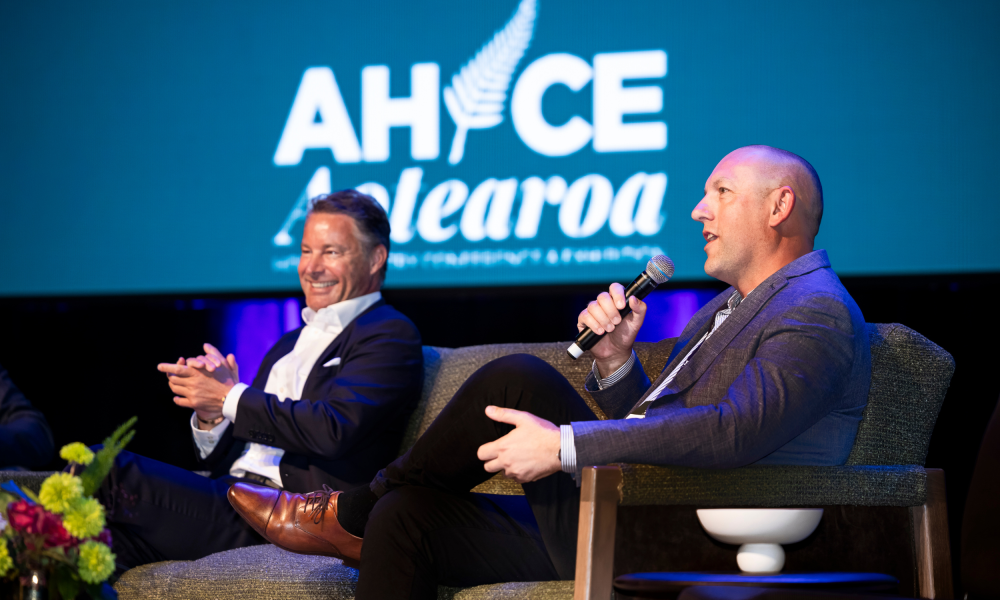
The discussion focused on the growth of third-party management in the Australian and New Zealand hospitality sectors, with key drivers including the need for alignment between ownership, branding, and management, and the benefits of local knowledge combined with global reach.
Panelists agreed owners value flexibility, accountability, and accessibility from third-party operators (TPOs), forcing the market to evolve, with a shift from distrust to trust.
“I think the biggest change has been trust. If you were to go five to eight years ago, probably third-party operators were unknown to both owners and brands, and it slowly changed over time, and it became probably a necessary evil. So I would say the evolution would be from an unknown to a necessary evil to a trusted partner,” TJ, Vice President Strategy and Development, Panache Hotel Group said.
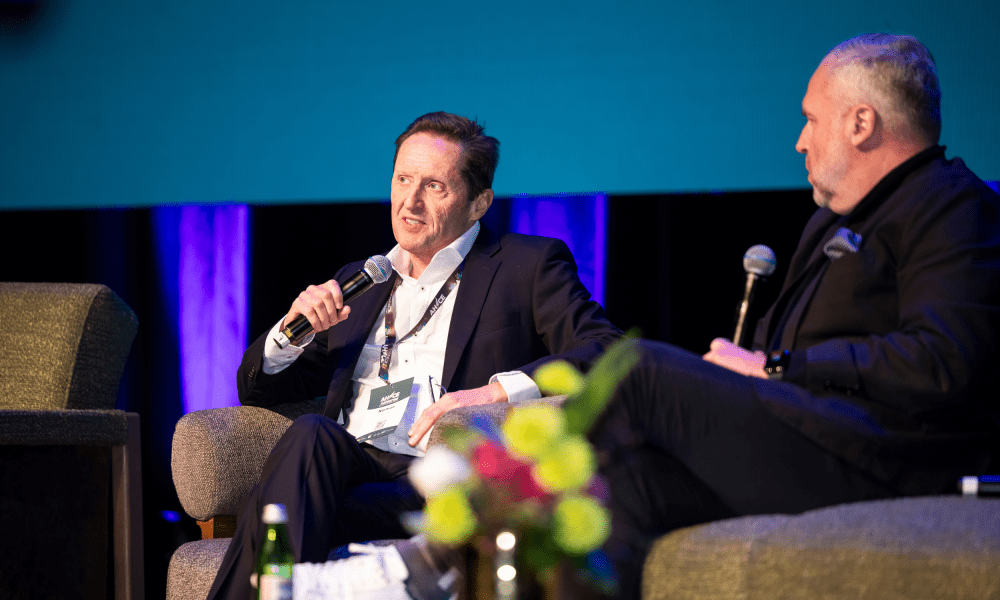
Opportunities were discussed in repositioning existing assets and new developments, particularly in demand markets like Queenstown and Christchurch, and Connect Hospitality’s entry into the market highlighted the importance of scale, commercial disciplines, and respect for brand standards.
In a one-on-one with AHICE President James Wilkinson, Norman Arundel, Director of Hotels and Resorts at EVT, officially announced the start of construction on Rydges Tauranga, a 150-room full-service hotel in Tauranga, New Zealand’s fastest-growing city. He highlighted the city’s commercial and leisure growth, emphasizing the hotel’s prime location.
Arundel also discussed the redevelopment of the Rydges in Queenstown into a QT Hotel, noting Queenstown’s higher RevPAR than Sydney in July.
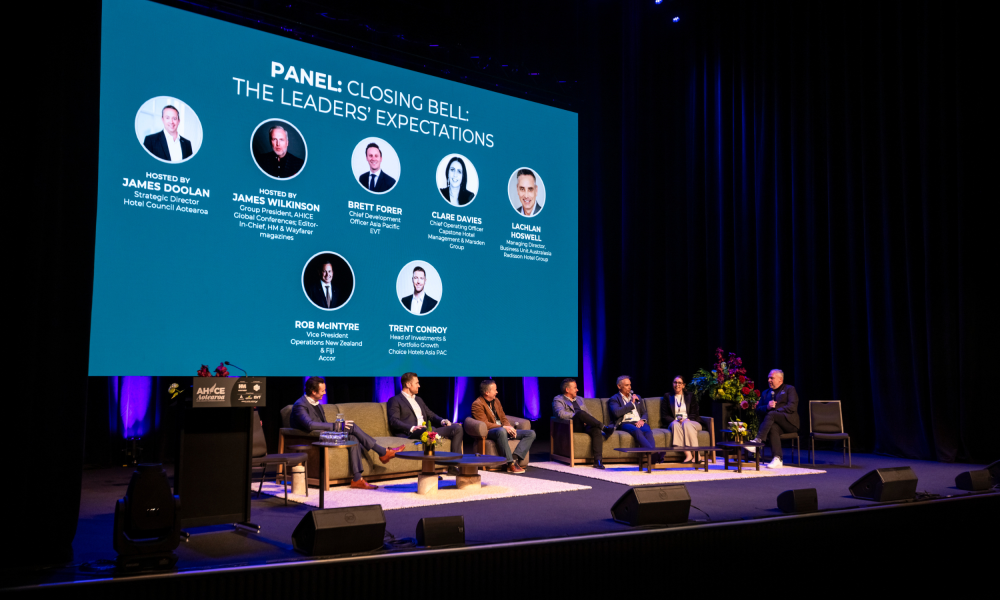
“I think I’ve been involved in tourism in New Zealand for a long time. I would say it’s probably the most, or certainly one of the most significant hotel redevelopments this country’s seen for a long, long time. We’re making a big investment in that part of the world. We’ve got a lot of confidence, not just in Queenstown, but the whole of New Zealand,” he said.
He underscored EVT’s focus on food and beverage, citing the Michelin Guide recognition for QT Auckland.
“If you look at the X factors, I think with EVT, F& B really is,” he said.
The next panel discussion focused on the optimistic outlook for New Zealand tourism in 2026, citing a 14% increase in revPAR for July and a 4% rise in domestic tourism. Hosted by Ronnie Ronalde, Advisor, Hotel Council Aotearoa, panelists included: Anne Newman, GM – Visitor Economy, ChristchurchNZ, Fiona Winger, General Manager, Sofitel Queenstown Hotel and Spa, Mark Wong, Senior Vice President Asia Pacific, Small Luxury Hotels of The World, Paul Gorman, General Manager, Luxury Escapes and Rachael Nicholson, Director of Commercial, NZ and Fiji, Accor.
“We have an extraordinary destination here with New Zealand. It’s stunning, beautiful landscapes, safe, friendly people, great infrastructure product, good accessibility. So we’ve got all the ingredients,” Nicholson said.
Key themes discussed during the panel included the importance of better integration, levies and coordination among stakeholders, as well as the potential for growth in wellness and personalised experiences.
“We obviously have fantastic nature and outdoors. We have a huge focus on wellness as well within the country. We also have those opportunities for guests to, you know, reset themselves and reconnect, and we’re already sort of ahead of the game with that,” Sofitel Queenstown General Manager, Fiona Winger said.
Specific challenges identified were infrastructure improvements, particularly in Queenstown, and the need for better accessibility for older tourists. The introduction of a short-term rental accommodation register and a national accommodation levy were highlighted as crucial for funding tourism infrastructure and marketing efforts.
In a brief keynote address, Lani Hagaman, Chair, Hotel Council Aotearoa, said HCA now represents over 250 hotels and 28,500 guest nights. She highlighted the strength of the association in combating the proposed Auckland targeted rate (APTR).
“In Auckland alone, that targeted rate represented an annual cost of NZ14milliontohotelowners,withanestimatedannualcostofNZ45 to 50 million dollars if it was rolled out across New Zealand. This would have had a major effect on the bottom line of every hotel in New Zealand.”
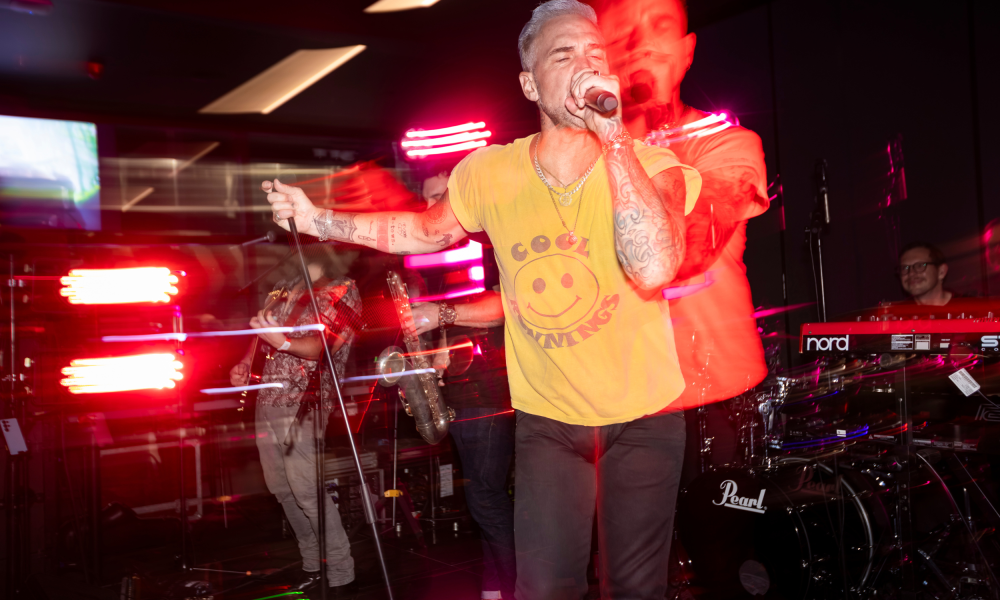
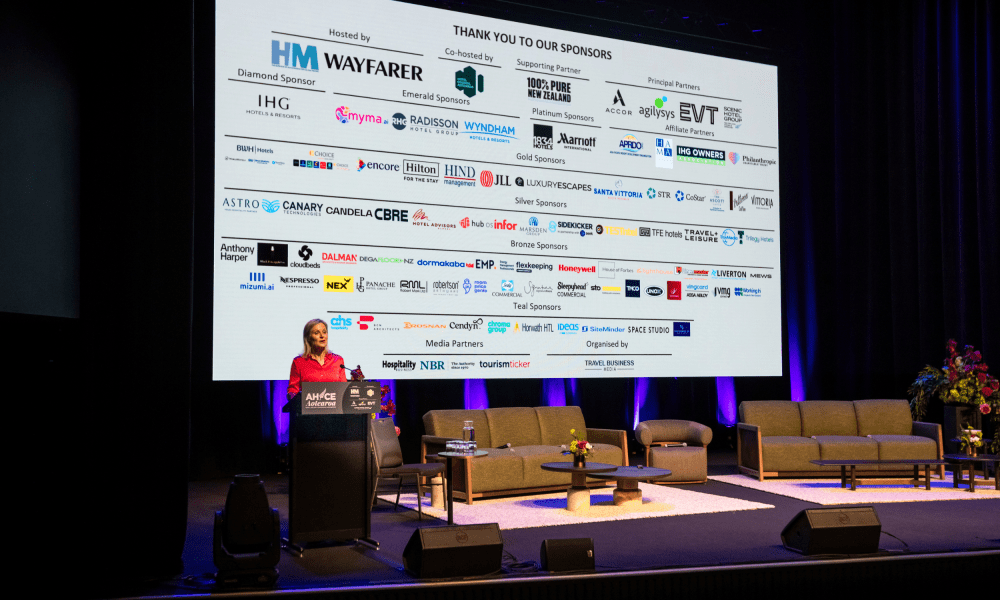
To close the conference, AHICE President James Wilkinson invited Hotel Council Aotearoa’s Strategic Director, James Doolan, to co-host the Leaders Expectations panel. Speakers included Brett Forer, Chief Development Officer Asia Pacific, EVT, Clare Davies, Chief Operating Officer, Capstone Hotel Management and Marsden Group, Lachlan Hoswell, Managing Director, Business Unit Australasia, Radisson Hotel Group, Rob McIntyre, Vice President Operations New Zealand and Fiji, Accor and Trent Conroy, Head of Investments and Portfolio Growth, Choice Hotels APAC.
The lively panel discussion was underway with speakers agreeing that the unanimous positivity this year was a key highlight of the conference.
“It’s not without potential headwinds at times as well, but it’s just great to see the buoyancy and be part of a really positive conference this time round,” one panelist remarked.
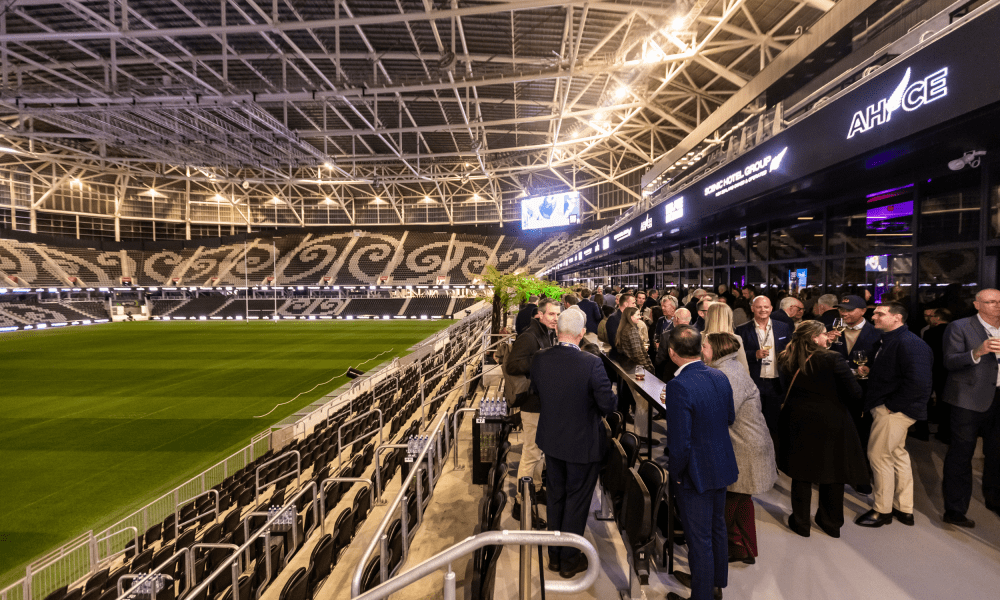
Key takeaways included the industry’s focus on regional development, the impact of global brands, and the importance of flight capacity, particularly from China. The impact of new convention centers in Auckland and Wellington on regional events was debated, with EVT’s Forer saying it was a “big focus” for the group.
“Big focus on these big assets that filter into regions, it filters into events, it filters into everything else. I think there is a huge opportunity there.
“We get these assets humming, and they are doing well. It’s going to feed everything in these markets.”
The panel also discussed the need for government support and incentives to build hotels in regional areas, emphasising the importance of addressing seasonality and dispersal.
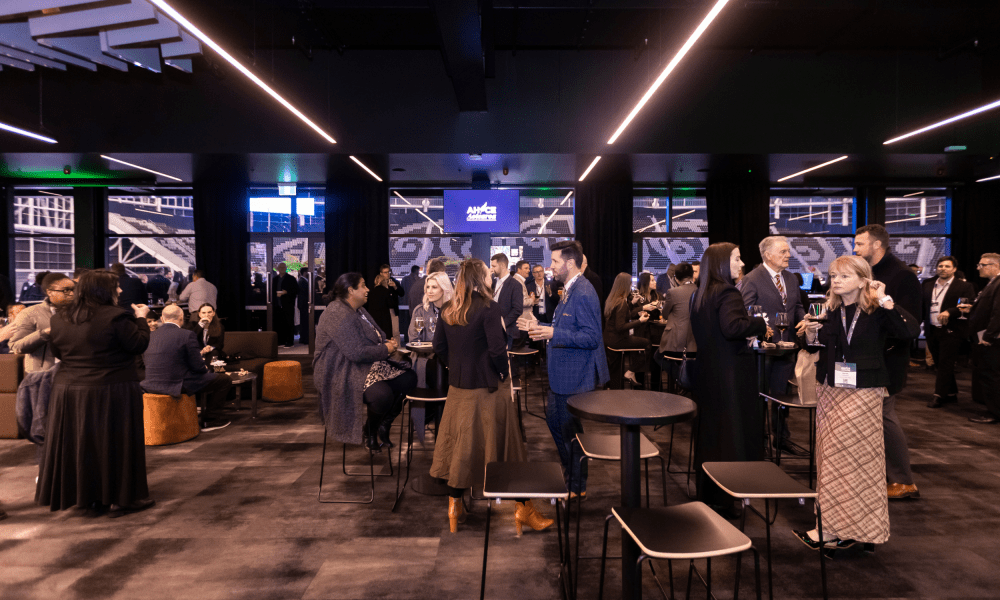
Once the formal conference sessions ended, delegates were invited to a gala farewell event at One New Zealand Stadium at Te Kaha.
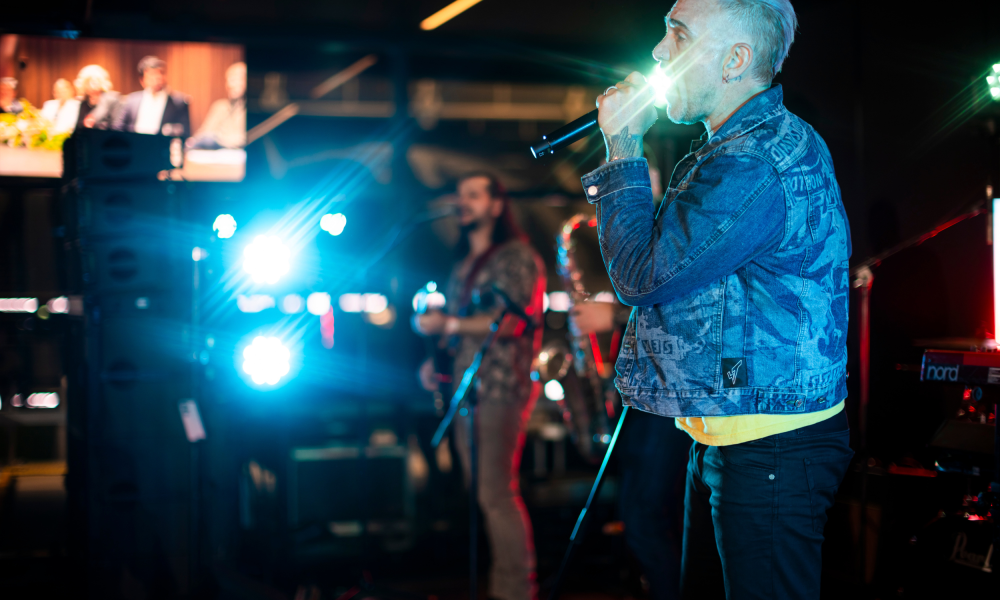
Headlined by musician Toby Rand from Los Angeles and a band of leading Kiwi musicians, delegates enjoyed local cuisine and wine courtesy of sponsors Tourism New Zealand and Scenic Hotel Group.
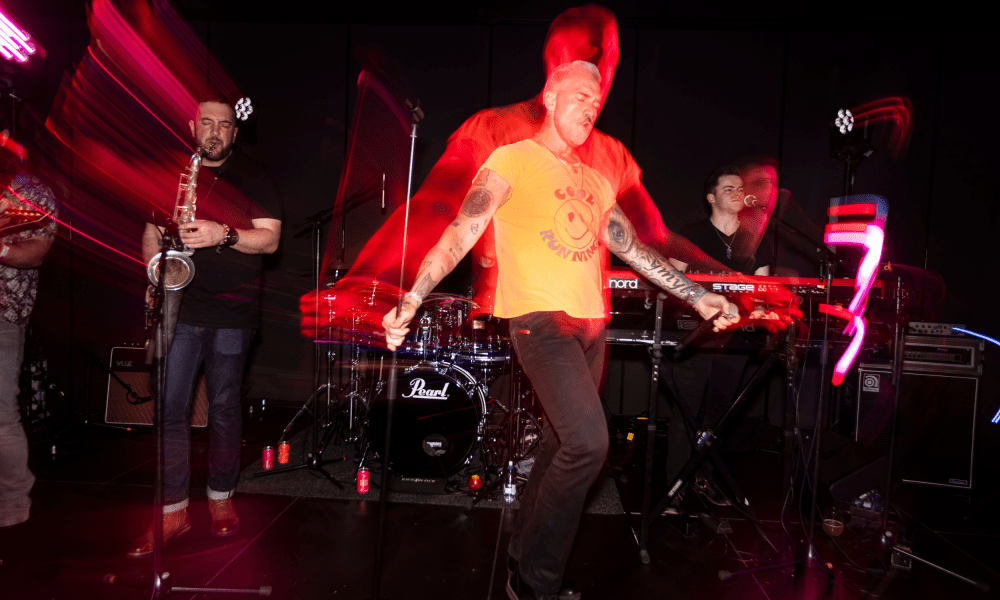
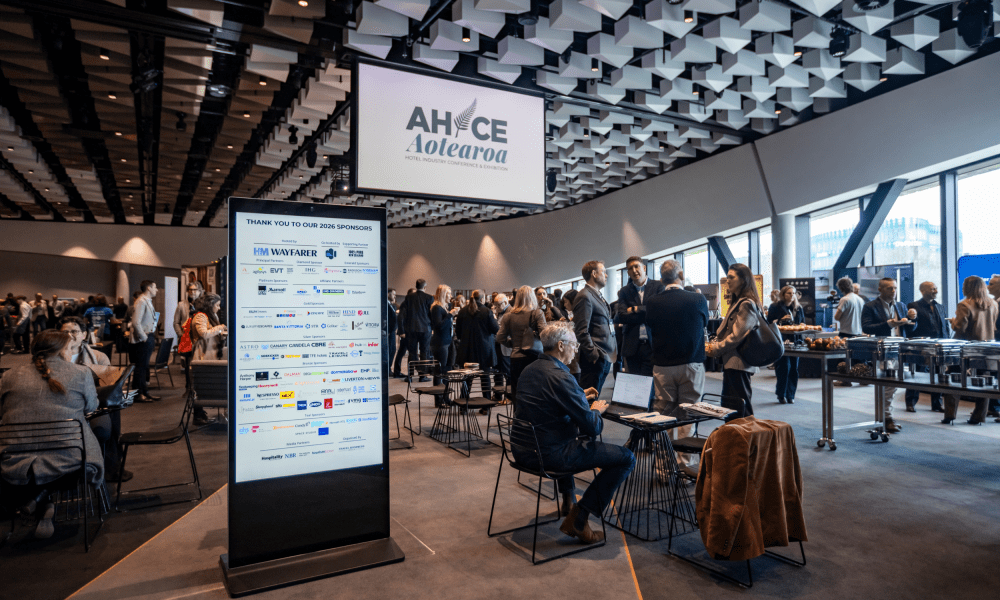
AHICE Aotearoa 2026 is co-hosted by Hotel Council Aotearoa and welcomed the support of over 80 sponsors and headlined by Principal Partners Accor, Agilysys and EVT and Supporting Partner Tourism New Zealand.