
Qantas’ Airbus A380s set to be retired in 2028 as carrier moves to efficient fleet

Qantas Group CEO, Vanessa Hudson, confirmed the move at the carrier’s financial results announcement this week (Aug 27), where the Flying Kangaroo recorded a profit of AU$1.29 billion after tax, a very impressive result in the current travel environment.
Thanks to the deliveries of new Airbus A350-1000ULR and Boeing 787s starting from next year, Hudson said the carrier was able to push forward the Airbus A380 retirement date by two years.

“Our fleet renewal continued at pace, with 17 new aircraft arriving during the year and up to 31 more to arrive in the year ahead, with the majority joining Qantas,” she said.
“Customers are telling us how much these aircraft are improving the flying experience, and they’re a big part of what’s driving our financial performance too.
“With our first Project Sunrise A350-1000ULR to arrive in April, and more A350s and 787s on the way, it’s a new era for Qantas’ international fleet with these next generation aircraft set to transform the way our customers travel.
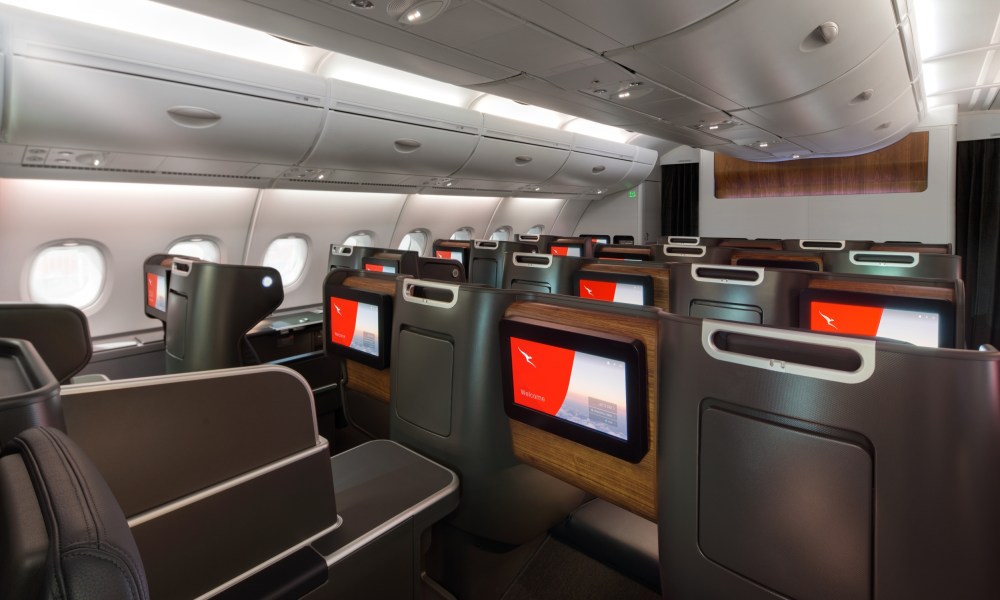
“This means we can commence the retirement of our A380 fleet from 2028,” she said.
In addition, she revealed Qantas is also in discussions with Airbus and Boeing regarding converting around 20 of its existing purchase right options to firm orders from 2030.
Hudson said the next generation aircraft replacing it can fly further and will be able to operate all routes on the airline’s current international network and open-up new ones, adding the fleet renewal is expected to significantly improve Qantas International’s earnings performance and reduce operational complexity, with its operating margin expected to increase to 10-12 per cent from FY32.
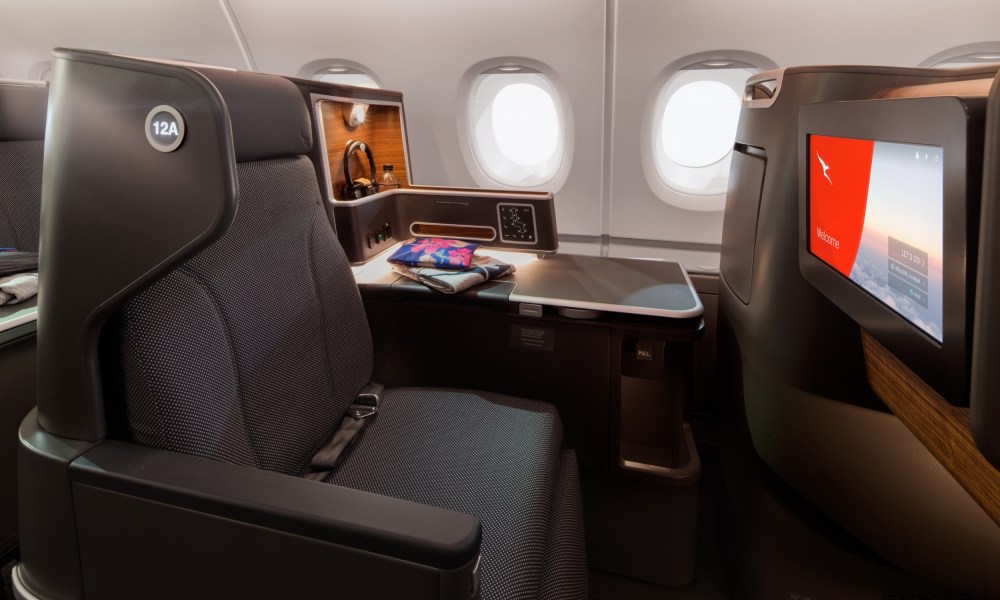
In addition to the 12 Project Sunrise aircraft, the Group has firm orders for 12 A350s and 12 787s.
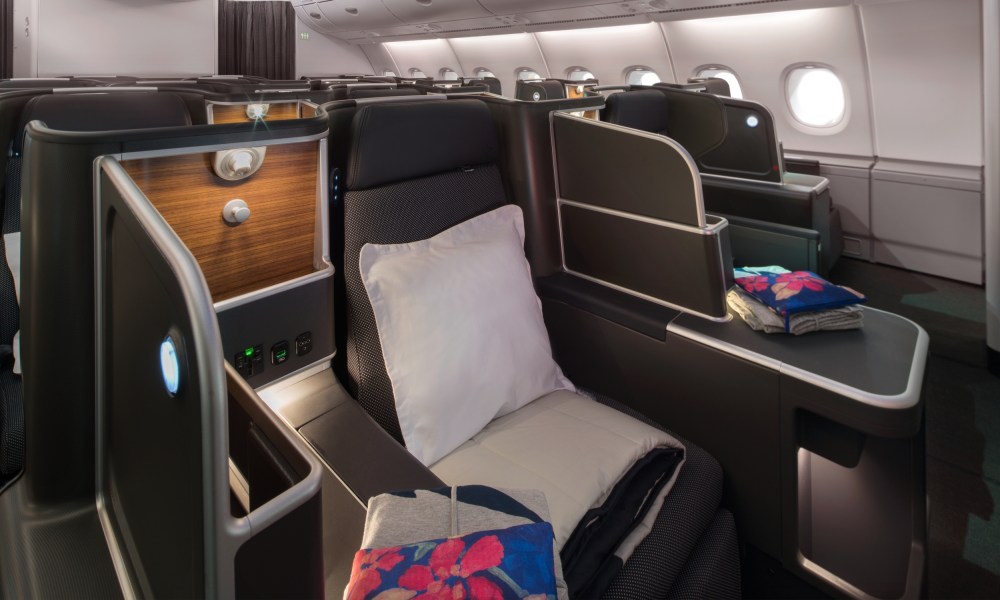
The first of the additional 787s will begin arriving in FY28 with the next evolution of the airline’s Business seats, including more space, sliding privacy doors and larger entertainment screens.
“Investing in new aircraft is one of the most significant ways we can enhance the flying experience,” she said.
“Qantas introduced Business Class to the world in 1979, and we’ve continued to redefine what it means ever since.”
As Hudson said, fleet renewal accelerated during the year, with the Airbus A321XLR entering service and seven aircraft now in operation, and the A220 fleet growing to 12 aircraft.
These new aircraft, as well as almost all of Qantas’ current Boeing 737s, are now fitted with Qantas Economy Plus seating, which launched during the year and is supporting higher unit revenue and customer satisfaction.
The product will launch on Qantas’ A330 fleet next month. QantasLink is also refurbishing the existing A320 and A319 fleets, with mid-life Embraer E190 aircraft arriving in the coming months to replace the Fokker F100 fleet.