
Exclusive: Ascott CEO double-downs on asset-light growth

Speaking to HM in Vietnam last week, Chief Executive Officer, The Ascott Limited and Lodging, CapitaLand Investment, Kevin Goh outlined the group’s strategy into becoming one of the world’s leading international lodging companies with a portfolio that currently spans more than 230 cities in over 40 countries.
Goh reflected on the group’s transformation over the past two decades, noting: “we started life, really, as a real estate company … we generally only manage properties that we own.”
That model has since shifted dramatically, with the company growing from an asset-heavy model owning a significant proportion of its 20,000 keys in 2008, to now managing 180,000 keys, and owning approximately only 0.1 percent.
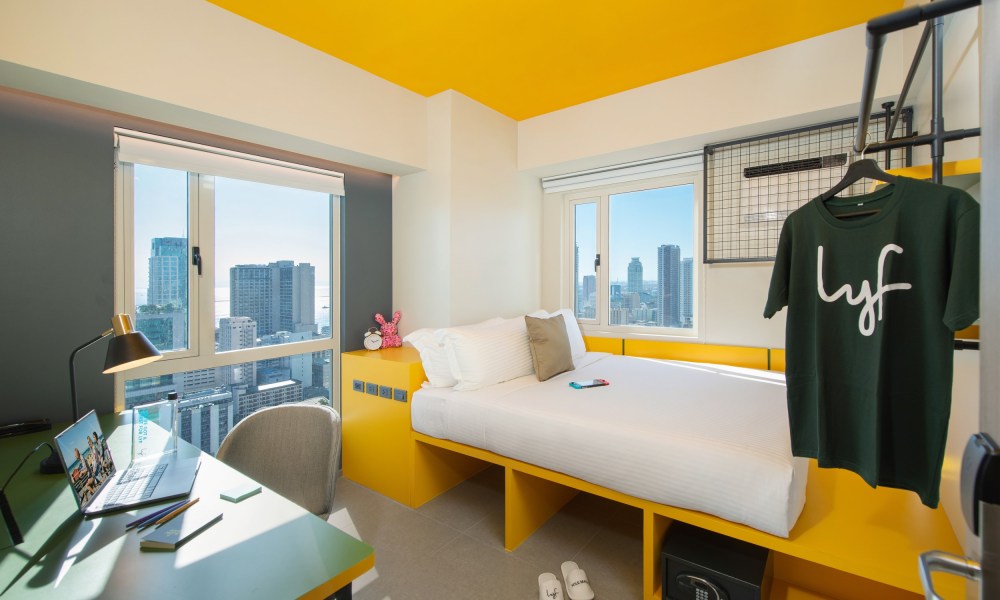
“The group has transformed from a very asset heavy, real estate company to a very asset light company,” Goh explained, highlighting a move towards franchise and management agreements to drive higher returns.
“The key message is that we are moving from a very asset heavy, lower ROE business to a much higher ROE business.”
This strategy has been underpinned by global expansion and targeted acquisitions, including Quest Apartment Hotels across Australia and New Zealand and bringing Oakwood from the US into Asia, helping the group scale rapidly to 1000 properties across corporate brands and a footprint spanning 40 countries.
Goh noted that 85% of its footprint is in APAC, reinforcing the company’s continued focus on the region.
A key differentiator remains Ascott’s extended stay DNA, though this is evolving alongside changing traveller demand. “If I go back 15–20 years… 80% of our clients are corporate customers,” he said, adding that leisure demand has since surged as families and groups seek larger-format accommodation.
At the centre of this shift is Ascott’s “flex-hybrid” model.
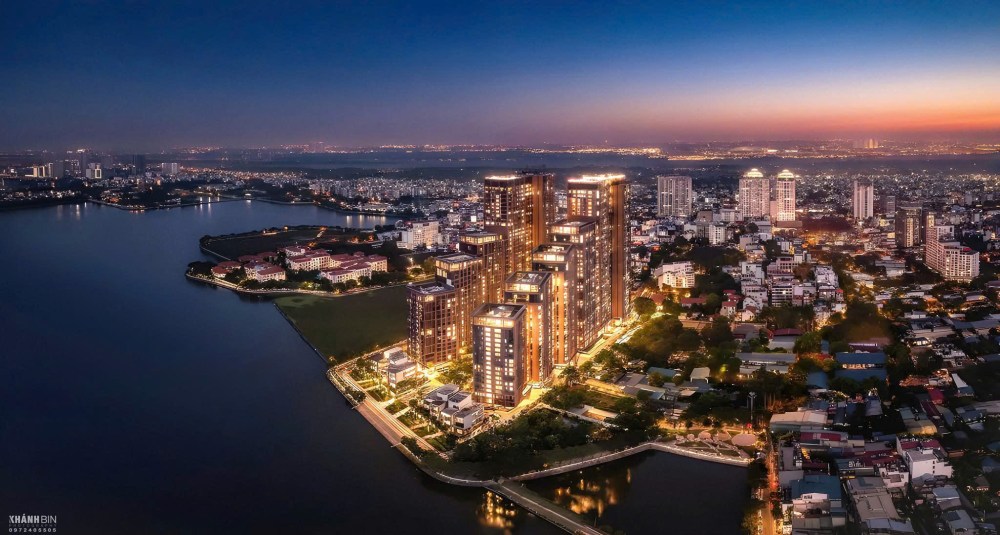
“We can have some parts of the inventory catering to long stays … and some parts … catering to short stays,” Goh explained, with the mix tailored to owner risk appetite and yield objectives.
The model proved resilient during COVID downturns, with Goh noting: “many hotel occupancies actually fall down to single digit occupancy, but as a group overall, we’re still running about 40% to 50% that’s because of the long stays.
Beyond traditional city locations, Ascott is also broadening its development strategy.
“In the last three to five years, we have expanded into different typologies … seaside resort, mountain resorts, ski resorts,” he said, with more than 50 resort properties now in operation and strong growth prospects in markets like Vietnam.
The media briefing in Hanoi was delivered ahead of the group’s fourth edition of The Famous CFC on Saturday night, Chelsea’s international fan engagement programme, with Ascott as the Official Hotels partner of the popular English football club.
Looking ahead, Ascott is expanding into branded residences, social living concepts and wellness-led offerings, with Goh pointing to strong momentum behind its newer brands and formats.
“The propensity for growth is huge,” he said, as the group continues to diversify its platform and deepen its presence across high-growth markets.