
Air New Zealand’s Boeing 777-300ER fleet to get Business suites

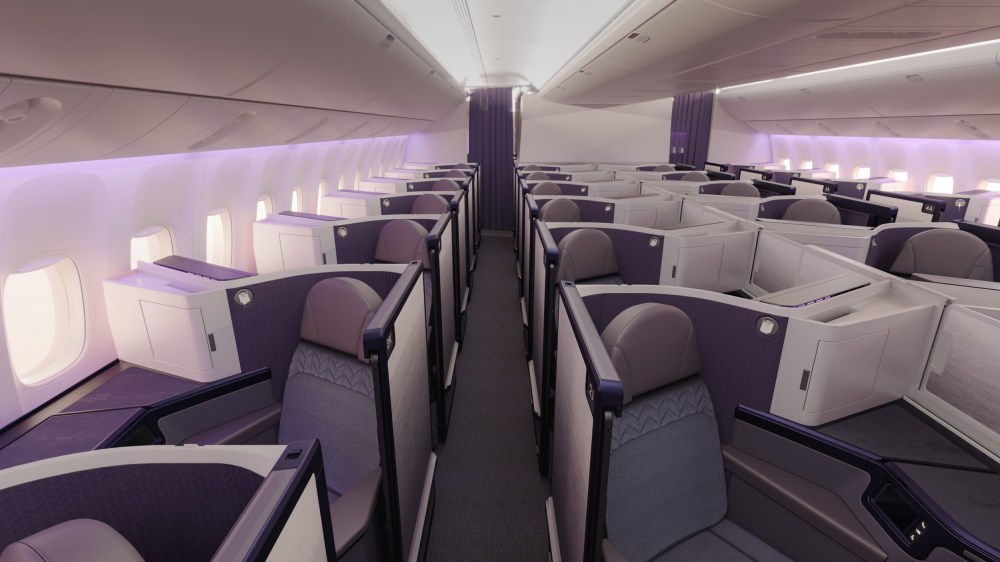
The new Business Premier suites, complete with sliding doors and oversized TVs, will be similar to those now found on several Boeing 787-9 Dreamliners, which have been a huge hit with travellers since being launched.
Air New Zealand Chief Customer and Digital Officer, Jeremy O’Brien, said the investment aims to ensure the airline delivers a product that meets customer needs now and into the future.
He said ongoing maintenance and production costs have also been factored into the upgrades.
“Our current Business Premier and Economy cabins have served us exceptionally well since we welcomed the first 777-300ER into our fleet in late-2010, however the time is right to raise the bar once again,” he said.
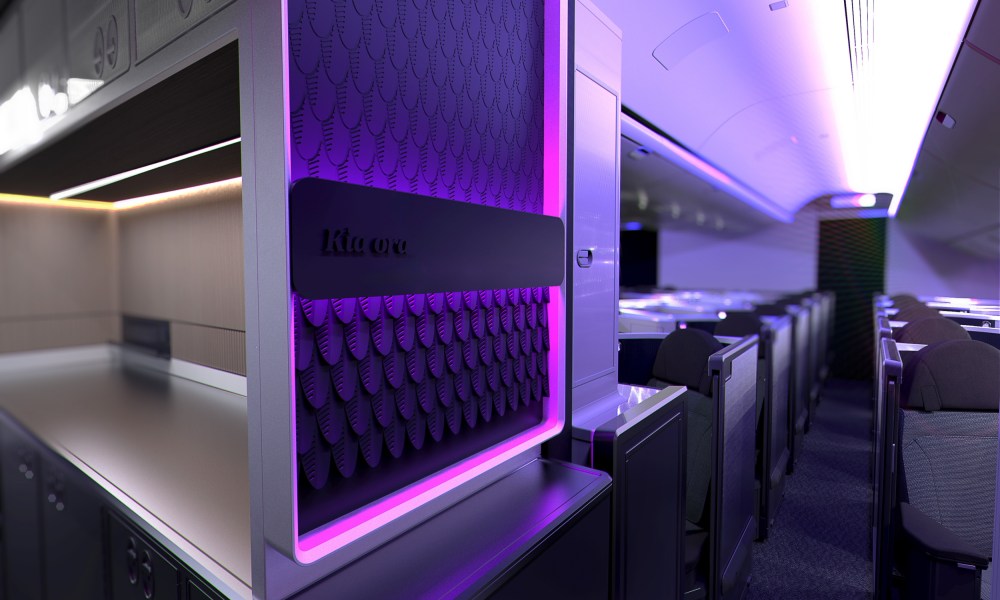
“Alongside our retrofitted Boeing 787-9 Dreamliners, these upgrades will deliver a more consistent experience across Air New Zealand’s international fleet, with a design and production standard that matches the world-class Kiwi service we’re proud to provide onboard.
“Our Boeing 777-300ER aircraft continue to play a key role in our international network, and upgrading the interiors means we can keep these aircraft flying for longer, while reducing the maintenance demands that come with an older cabin product.”
Headlining the offerings is a refreshed Business Premier cabin that will feature new Collins Elevation seats, offering customers more personal space, comfort and privacy, in a forward-facing layout.
“The updated Business Premier cabin will deliver a modern experience for our customers and brings similar functionality to the new seats being rolled out across our 787-9 fleet,” he said.
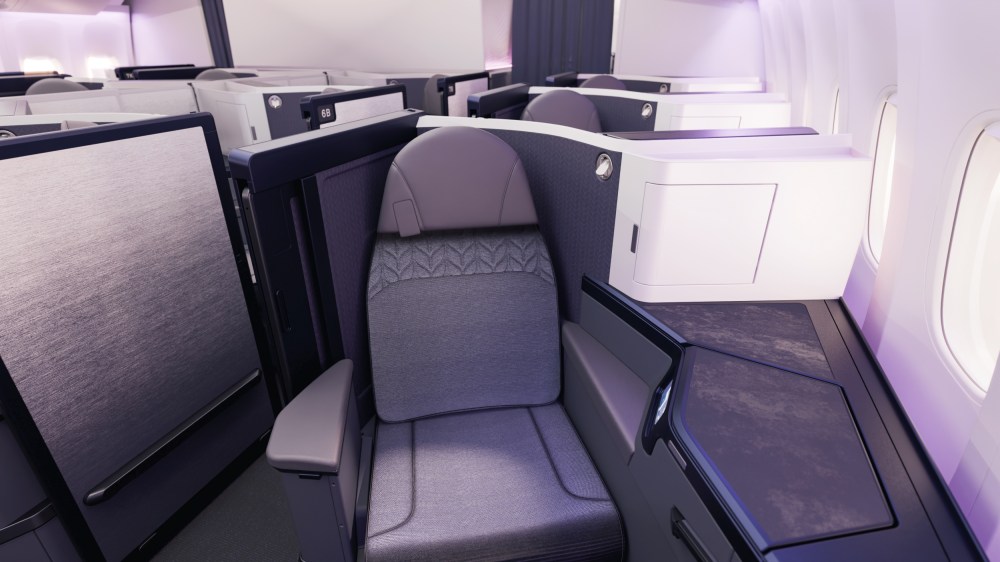
“It will also see the layout change to a ‘reverse herringbone’ format,” O’Brien said.
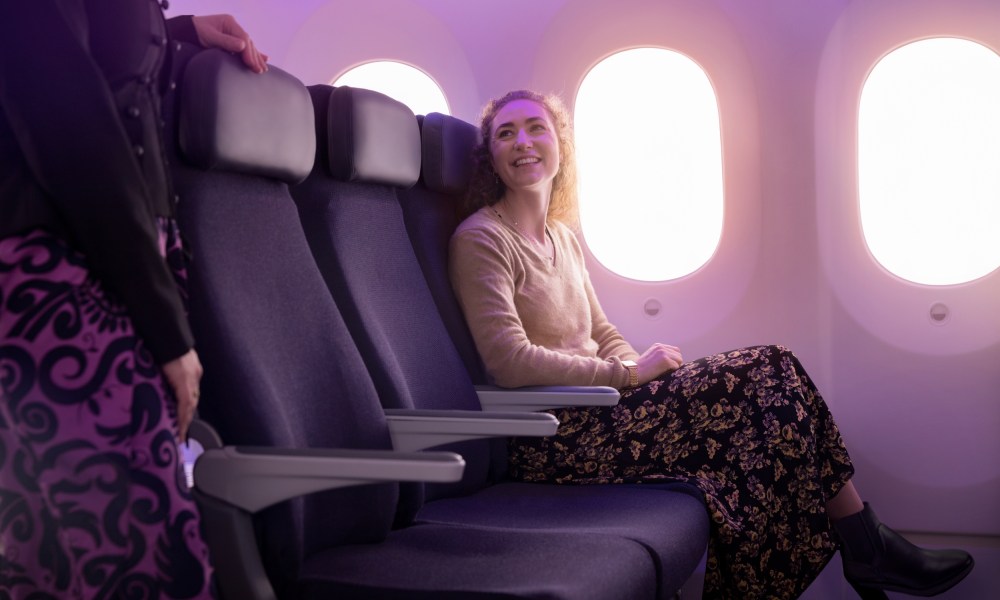
Customers travelling in Economy will enjoy new ergonomically designed seats from ZIM, along with upgraded inflight entertainment screens.
Premium Economy remains as it is currently, with the cabins having gone through a refresh programme over the past year, with new seat covers and cabin curtains.
The first 777 is scheduled to be retrofitted in March 2027, and in service by May 2027.